
A Practical Guide for Your Daily Nutrition
Nutrition plays a key role in the proper functioning of our body, and proteins are a fundamental component of it.
Whether you are engaging in physical activity, following a strength training program, or simply aiming to stay healthy, it is important to provide your body with the nutrients it needs to maintain muscle mass and energy on a daily basis.
Proteins contribute to the building and maintenance of muscle tissue, as well as many essential physiological functions. To support you in a practical way, we have created a simple and easy-to-use guide listing the main protein-rich foods.
Why Are Proteins So Important?
Proteins are essential for the proper functioning of the body.
They play a key role in:
- Building and maintaining muscle mass
- Supporting adaptations to training and strengthening
- Participating in tissue repair
- Contributing to a well-functioning immune system
When requirements increase, particularly after an injury or surgery, their role becomes even more important.
We explore this topic in more detail in our article on The importance of protein in muscle recovery in orthopedics
In general, it is recommended to consume approximately 1.2 to 2 g of protein per kilogram of body weight per day, ideally spread throughout the day, unless otherwise recommended.
Protein Needs Vary Throughout Life
Protein requirements are not the same for everyone and evolve over time.
They may be higher:
- During periods of regular physical activity or strength training
- With aging
- During certain hormonal phases such as perimenopause and menopause
An adapted diet helps preserve muscle mass, strength, and independence.
To learn more, read our article on Sarcopenia, perimenopause and menopause
How to Increase Your Protein Intake Daily
Increasing your protein intake does not necessarily mean eating more meat. There are many simple and balanced alternatives, such as legumes, dairy products, and plant-based sources, which allow you to diversify your diet.
For a practical example, discover our One-pot vegetarian protein-rich recipe, easy to incorporate into your daily routine

Which Foods Should You Choose?
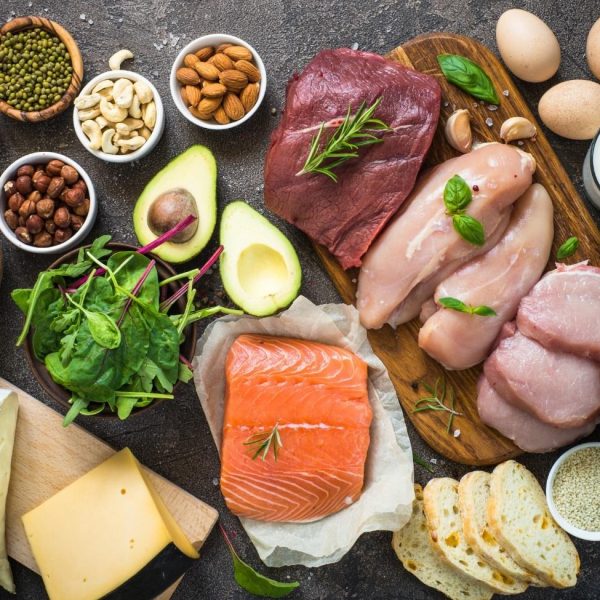
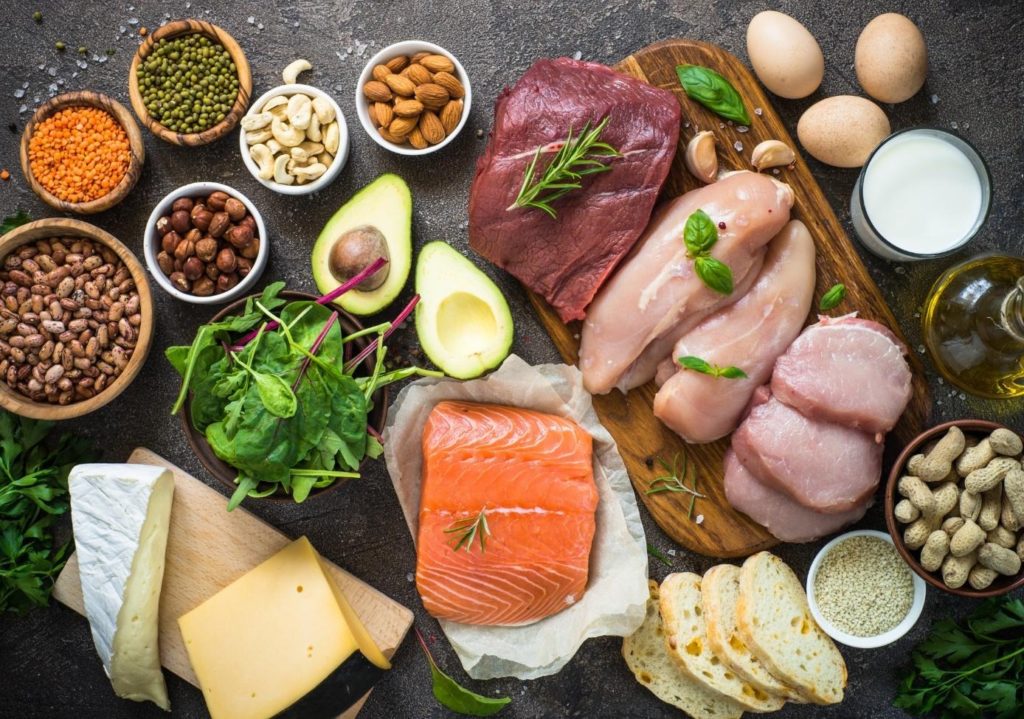
Proteins can be found in a wide variety of foods, both animal-based and plant-based.
Here are a few examples from our guide:
Animal proteins include meat (approximately 22–25 g per 100 g), tuna (26 g per 100 g), and eggs (6–7 g per egg).
Dairy products include parmesan (36 g per 100 g) as well as skyr or plain Greek yogurt (around 10 g per 100 g).
Plant-based alternatives are also valuable, such as cooked lentils (11 g per 100 g), cooked chickpeas (7–8 g per 100 g), and firm tofu (12 g per 100 g).
Finally, certain grains and seeds can effectively complement protein intake, such as oats (13 g per 100 g), almonds (21 g per 100 g), and pumpkin seeds (25–30 g per 100 g).
Download the Full Guide
To support you in your daily routine, we have prepared a clear and practical guide that you can easily keep on hand.
👉Download the protein-rich foods guide
Need Personalized Support?
Adapting your diet is not always easy, especially during recovery, after surgery, or when aiming to preserve muscle mass.
That is why we collaborate with Vivian Seulin, nutrition therapist, who can provide personalized guidance based on your needs, habits, and goals.
Discover her approach on the Consultation Nutritionnelle website
Conclusion
A well-balanced diet is a cornerstone of good health.
Ensuring sufficient protein intake helps support your body on a daily basis, enhances your physical efforts, and contributes to maintaining muscle mass in the long term.