

Article in collaboration with Vivian Seulin, nutrition therapist
Why address this topic at the DR.E Center?
Injectable treatments for weight loss raise many questions and are now part of the medical landscape. At the DR.E Physiotherapy Center, we do not prescribe these treatments nor do we promote their use. However, we do support some patients who benefit from them within a strictly medical framework, and we observe their effects on the body, movement, muscle strength, and joint health.
The aim of this article is to inform, to highlight potential risks, and to emphasize a key message: any significant weight loss must be medically supervised and supported by nutritional and physical care in order to preserve health and physical function.

Weight-loss injections can help reduce weight — but they don’t rebuild everything
New injectable treatments, often referred to as “weight-loss pens,” can promote weight loss when prescribed for specific medical indications and under medical supervision, particularly in the management of obesity.
However, these treatments do not act alone. Rapid weight loss may lead to muscle loss, weakening metabolism and joint stability. This is why nutritional and physical support is essential to ensure that weight loss is effective, sustainable, and does not compromise the body.
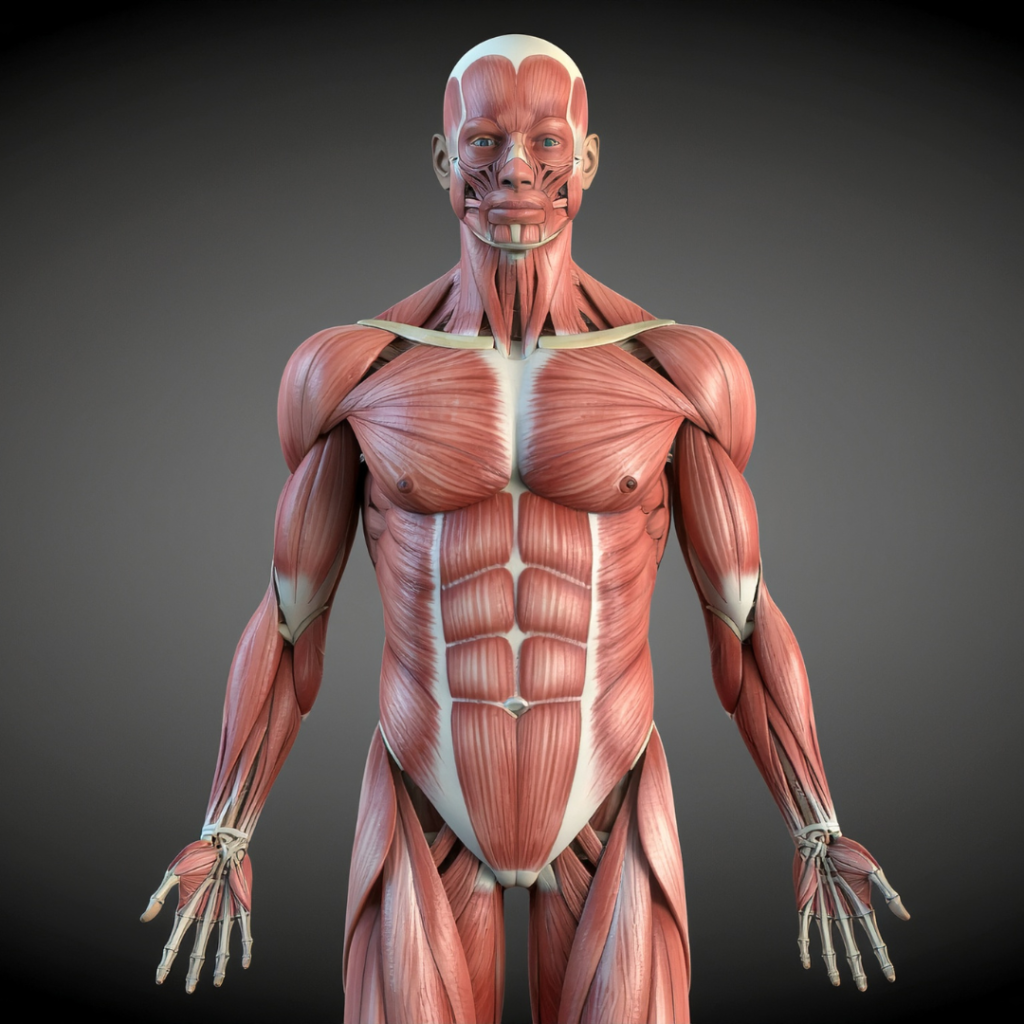
Preserving muscle mass: a frequently underestimated issue
Contrary to a common belief, being overweight does not necessarily mean having more muscle. Part of what is referred to as “lean mass” may be infiltrated with fat, reducing muscle quality and strength.
While weight-loss injections promote weight reduction, an excessive caloric deficit may cause the body to draw energy from muscle tissue. The result: reduced muscle mass, slower metabolism, and a higher risk of weight regain.
Studies differ regarding the extent of lean mass loss, but there is a clear consensus: combining appropriate nutrition with regular physical activity helps limit – and sometimes prevent – muscle loss. Maintaining adequate protein intake and engaging in regular physical activity are essential to prevent these effects.
Muscle is a true metabolic organ: it influences energy expenditure, blood sugar regulation, and bone health. Preserving muscle is therefore not merely an aesthetic concern, but a major metabolic and functional one.
A global approach: nutrition, movement, and professional support
Medication can help control hunger and food cravings.
However, long-term success relies on the combination of three key pillars:
- Physical activity and muscle strengthening → to preserve and rebuild muscle, improve strength and stability, and protect the joints
- Personalized nutritional follow-up → to ensure adequate protein intake and prevent deficiencies
- Global support → to encourage behavioral change and long-term lifestyle adherence
These treatments should never be used in isolation or through self-medication. Regular medical follow-up is essential to assess benefits, side effects, and changes in body composition.
This team-based approach involving physicians, nutrition therapists, and physiotherapists or physical trainers transforms weight loss into a progressive and effective reconstruction of both the body and lifestyle habits.

Less weight, but watch your muscles!
Before hip or knee surgery, weight loss is often recommended in cases of significant overweight.
Each kilogram lost reduces knee joint load by approximately four kilograms – a substantial relief for the joints.
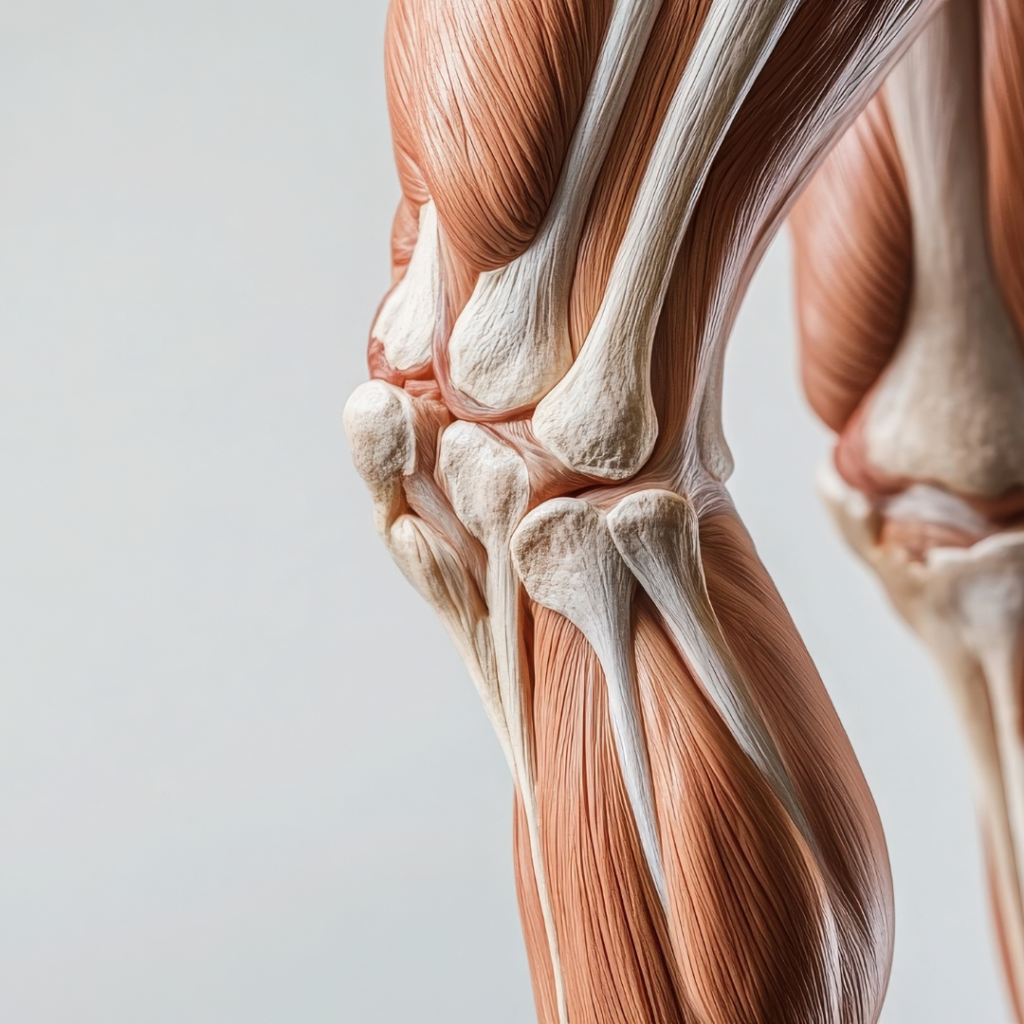
However, if weight loss is accompanied by muscle loss, joints become poorly supported. Without strong muscles to stabilize them, cartilage must absorb shocks and pressure alone, potentially worsening pain, injury risk, and the progression of osteoarthritis.
Muscles act as a natural protective system: they stabilize, absorb impact, and preserve mobility. Strengthening them must therefore begin early in the weight-loss process to avoid physical deconditioning.
Successful weight loss is not just about the number on the scale, it is also about function, balance, and strength.
Physical activity: start early in the treatment process
Starting to move early, from the very beginning of treatment, is a winning strategy.
As weight decreases, joints are relieved, but muscles often remain weak due to limited prior use. Without intervention, weight loss does not lead to improvements in tone or strength.
In this context, the role of the physiotherapist or physical trainer is essential to adapt effort levels, ensure movement safety, and rebuild functional strength suitable for daily activities.
Implementing a progressive muscle-strengthening program from the first weeks allows the body to gradually retrain.
The benefits are numerous:
- restoration of lean mass
- improved posture and stability
- reduced pain and better functional recovery
Weight loss thus becomes not only visible on the scale, but also meaningful and functional in everyday life.
The body does not simply become lighter, it becomes stronger and more mobile.
Eating well to preserve muscle: the importance of nutritional follow-up
Nutritional support plays a central role.
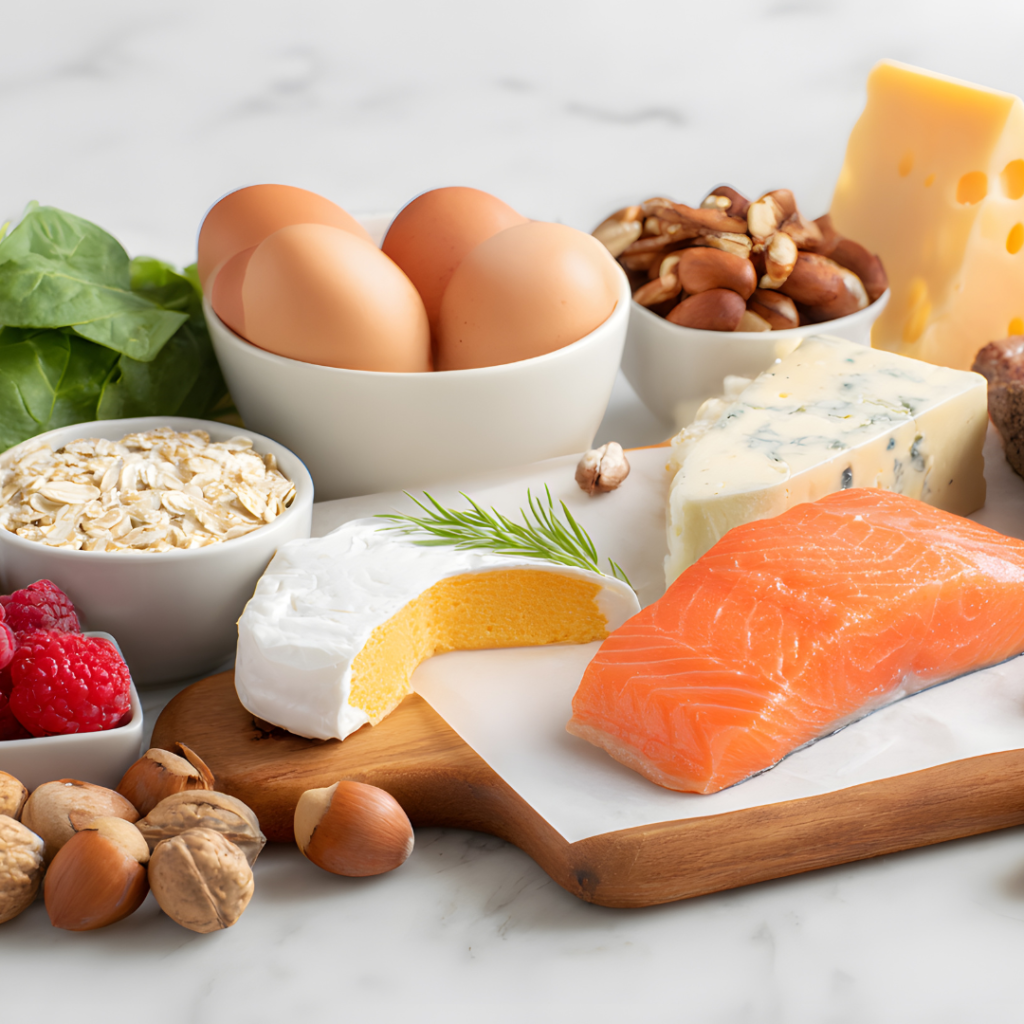
While medication facilitates appetite regulation, it must be combined with appropriate nutritional re-education to ensure sufficient intake of proteins, vitamins, and minerals, while avoiding excessively severe energy deficits. These nutrients are the “building blocks” required for muscle reconstruction and the maintenance of an active metabolism.
At the same time, medical follow-up ensures treatment safety and continuity.
It is the interaction between medication, nutrition, and movement that guarantees a complete and sustainable outcome.
To preserve long-term health, it is essential to combine:
- nutritional re-education supervised by a nutrition specialist
- an exercise program supervised by a physical trainer or physiotherapist
Without this, weight loss may lead to muscle wasting and weakened metabolism.
Weight loss alone is not enough: preserving function is essential
Weight loss can improve health, reduce pain, and relieve joint stress, however, without preserving muscle mass, it may also weaken the body, slow metabolism, and compromise long-term benefits.
Weight loss is therefore only a first step.
Preserving muscle and sustainably improving lifestyle habits is what allows for truly beneficial, whole-body results.
At the DR.E Physiotherapy Center, in close collaboration with Vivian Seulin, nutrition therapist, we advocate for a comprehensive and supervised approach in which weight loss, when medically indicated, is part of a genuine functional health project.
This care model is based on close collaboration between professionals, combining medical supervision, personalized nutritional support, and progressive muscle strengthening.
The key to a healthy and lasting outcome lies in this synergy:
- medically supervised pharmacological treatment when necessary
- nutritional follow-up adapted to preserve muscle mass
- physiotherapy or physical support to maintain strength, stability, and mobility
A lighter body is a good start.
A stronger, more mobile, and functional body is the goal.